
Adaptive Climbing Equipment & Inclusive Climbing Training UK
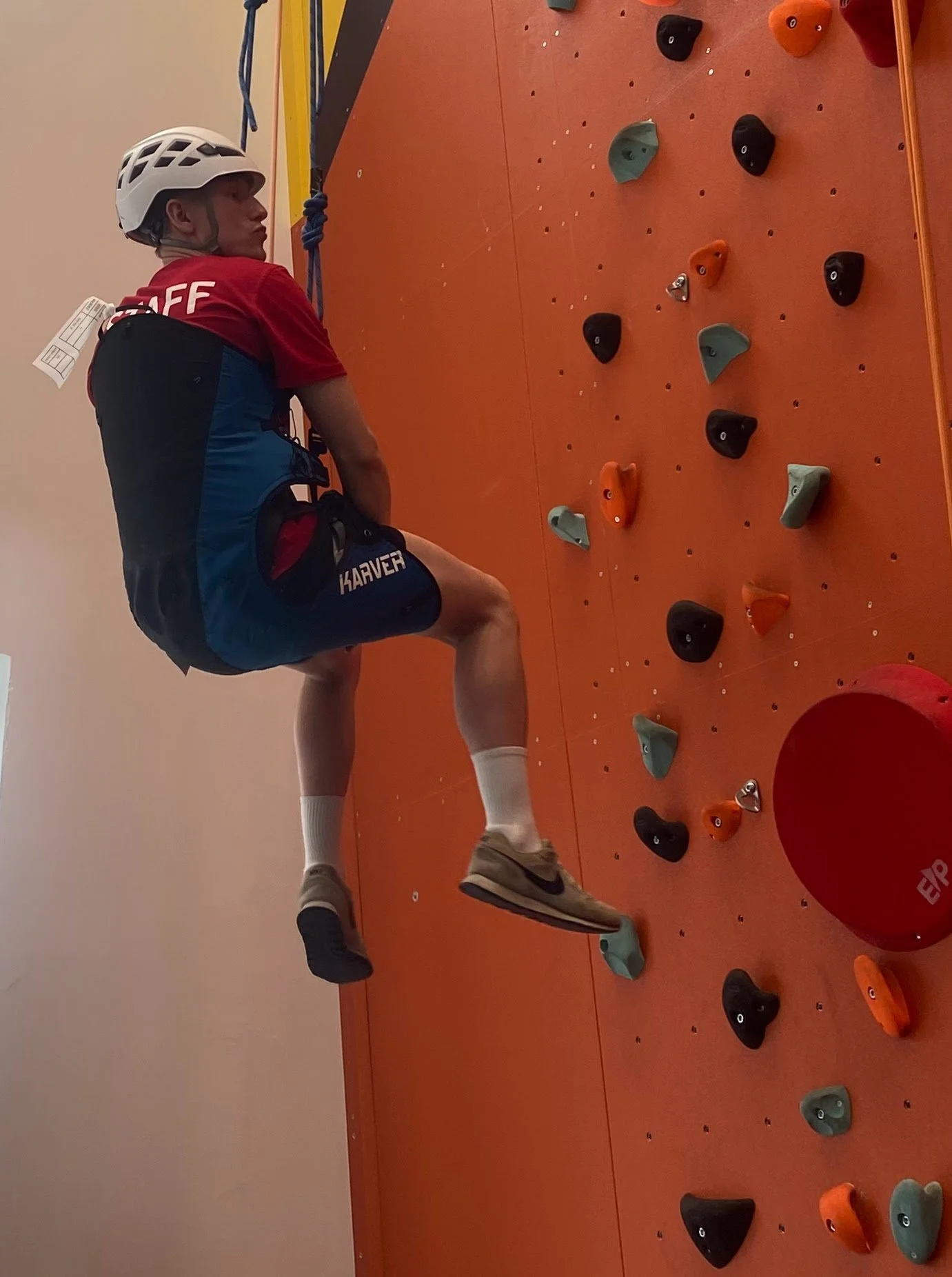
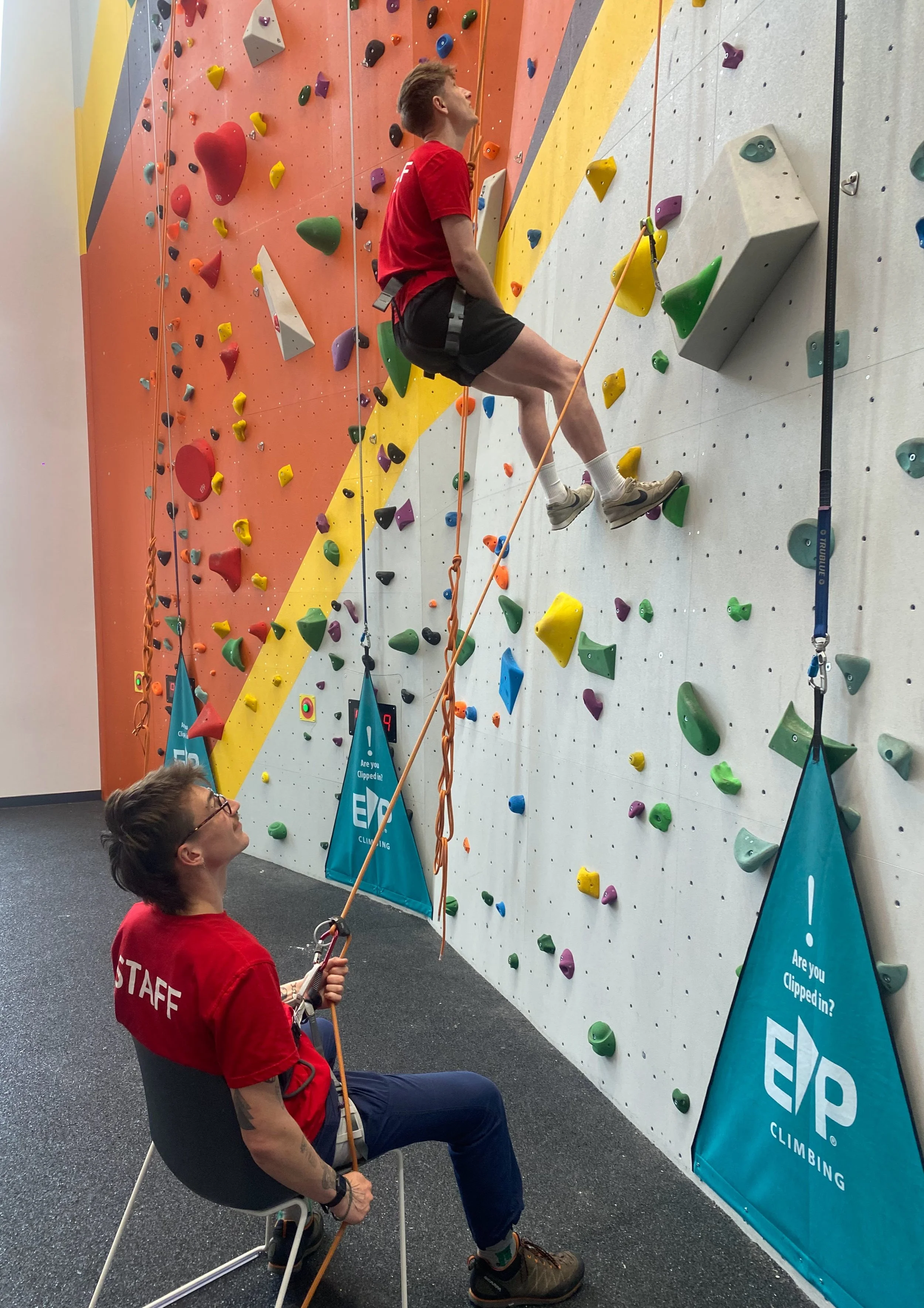
Inclusive & Adaptive Climbing Equipment
Making Climbing More Accessible
Climbing can be adapted in many different ways, and the right equipment can make a real difference to how someone is able to take part.
We provide adaptive climbing equipment and practical support for organisations looking to make climbing more accessible to disabled participants.
This can include equipment and systems for assisted climbing, hoisting, adaptive belaying and communication, depending on the needs of the climber and the setup of the facility.
The starting point isn't the equipment itself. It's the person using it.
We'll look at what the participant needs, what your climbing wall or activity setup allows, and which equipment or adaptations may be appropriate.
Who Can Adaptive Climbing Support?
There isn't one type of disabled climber.
Adaptive equipment and climbing techniques can support people with a wide range of physical and sensory needs, including people who:
Use a wheelchair
Have limited use of one or more limbs
Have reduced grip or upper-body strength
Have lower-limb impairment or limb absence
Are blind or visually impaired
Are deaf or hard of hearing
Have reduced mobility
Need additional physical support while climbing
May benefit from assisted movement or hoisting
Every participant is different, so equipment and techniques should be selected around the individual rather than the diagnosis alone.
Adaptive Climbing Equipment
Depending on the activity and the participant's requirements, we can help with equipment and systems such as:
Assisted Climbing & Hoisting
Equipment may include:
Assisted climbing systems
Hoisting systems
Mechanical advantage pulley systems
Suitable lifting and lowering equipment
Adaptive rope systems
Hoisting can be useful where a climber needs additional assistance getting onto the wall or maintaining a suitable climbing position.
Adaptive Harnesses & Support
Different harness and support arrangements may be appropriate depending on the climber and the activity.
We can help identify suitable options for:
Wheelchair users
Climbers with limited lower-limb function
Participants requiring additional support
Climbers with particular positioning requirements
The correct equipment should always be selected and fitted in accordance with the manufacturer's instructions and the requirements of the specific activity.
Belaying & Safety Equipment
We can also look at equipment and systems that may help staff deliver inclusive climbing sessions, including:
Assisted-braking belay devices
Appropriate belay systems
Adaptive rope arrangements
Tactile communication aids
High-visibility communication aids
The aim is to make the system clear, manageable and appropriate for both the participant and the instructor.
Communication & Sensory Support
Good inclusive climbing isn't just about harnesses and ropes.
Communication can be just as important.
Depending on the climber, this may include:
Visual communication
Tactile communication
Clear agreed signals
High-visibility communication aids
Adapting instructor positioning
Agreeing communication methods before climbing begins
For climbers who are blind or visually impaired, deaf or hard of hearing, or who have other communication needs, the approach can be adapted to suit the individual.
Equipment for Climbing Walls & Activity Centres
We can support organisations looking to introduce or expand adaptive climbing provision, including:
Climbing walls
Leisure centres
Schools and colleges
Universities
Outdoor activity centres
Youth organisations
Inclusive sports programmes
Community climbing projects
Not sure what equipment you need?
Talk to us before buying anything.
We'll help you consider the participant, the climbing environment, your existing equipment and how the system will actually be used.
More Than Just Supplying Equipment
Buying adaptive equipment is only part of the process.
Staff need to understand how the equipment works, when it is appropriate and how it fits into the wider climbing session.
That's why we can also provide support with:
Staff Training
Training can cover:
Adaptive climbing approaches
Equipment use
Harness fitting
Hoisting techniques
Adaptive belaying
Communication
Participant support
Session planning
Practical risk management
Equipment Fitting & Familiarisation
We can help staff become familiar with the equipment and understand how it should be incorporated into your normal climbing procedures.
Inclusive Session Planning
We can also help you think through the practical side of delivering an inclusive climbing session, including the participant's needs, the venue, equipment, staff and communication.
Risk Assessment & Operational Support
Adaptive climbing may require changes to the way a normal climbing session is planned and delivered.
We can help you review:
The participant's requirements
Equipment selection
Hoisting and lowering systems
Staff responsibilities
Communication
Emergency arrangements
Access around the facility
Session-specific risks
Any risk assessment should be specific to the participant, equipment, venue and activity, rather than relying on a generic document.
Making Existing Climbing Facilities More Inclusive
You don't necessarily need to build a completely new climbing facility to make your provision more accessible.
Sometimes relatively straightforward changes to equipment, staff training, communication or session planning can open up opportunities for people who previously couldn't take part.
We'll look at what you already have and what you want to achieve, then help identify practical options.
Looking to Introduce Adaptive Climbing?
Whether you're starting from scratch or already have disabled climbers using your facility, we can help you work out what comes next.
Tell us:
What type of climbing facility you operate
Who you want to support
What equipment you already have
What you'd like participants to be able to do
Any particular access requirements you're working with
From there, we can discuss suitable equipment, training and practical solutions.
Inclusive Climbing Equipment & Support
Our aim is simple:
Help more people experience climbing in a way that works for them.
With the right combination of equipment, trained staff and thoughtful session planning, climbing can be adapted to support a much wider range of participants.
Get in touch to discuss your facility, the climbers you want to support and the equipment or training you may need


FAQs
-
We provide safety equipment: harness, helmet, ropes, hardware and technical kit. Climbing shoes can be provided if needed. You’re welcome to bring any of your old gear to the session.
Please bring a rucksack, tracksuit or warm top, waterproofs, trainers or walking boots, govers, hat and food and drink for the day. In summer bring sunglasses, sunscreen, and shorts. Weather can change quickly, so pack layers and extra kit to keep you warm and dry.
-
We don’t cancel a session because of bad weather — there’s always something to try, learn, or experience. However, if the forecast is dangerous or unsafe, we will rearrange the session.
-
As climbing is an adventurous activity, we believe it is best experienced without bringing dogs along with you.
Dogs can be unpredictable in busy crags, on narrow paths and near exposed edges. They may startle other climbers, distract handlers who need full concentration, or put themselves at risk on loose rock and steep terrain. Many climbing routes require careful footwork, the ability to move freely and the use of both hands — situations in which managing a dog safely is impractical.
-
Bookings are taken up to 48 hours before your session. Your place is confirmed once payment has been received.
Please note:
Bookings made within 48 hours of the session cannot be guaranteed.
Payment must be completed at the time of booking (reseaving the invoie) to secure your slot.
Cancellations and refunds are subject to our standard terms.
-
No matter your fitness level, we’ve got you covered. At Climb yorkshire, we plan and deliver personalized climbing training tailored to your goals and abilities. Our expert-led sessions ensure that every workout is safe, effective, and—most importantly—fun!
Whether you’re a beginner looking to build strength or an experienced climber aiming to push your limits, we provide quality training that elevates your fitness and your confidence.
Why Choose Us?
Customized programs for every fitness level
Professional guidance from experienced trainers
Fun, engaging, and motivating sessions
Improve strength, endurance, and agility
Make every day a quality climbing day. Start your journey to peak fitness today!
-
The British Mountaineering Council (BMC) Participation Statement states that climbing, hill walking, and mountaineering involve a risk of personal injury or death. Participants must recognize, accept these risks, and be responsible for their own actions and safety. It is a core tenet for managing risks in these activities.
-
Climb Yorkshire holds business insurance covering our activities and operations. We do not provide personal insurance for injuries or personal belongings. We recommend that all participants arrange their own cover, such as through the BMC (British Mountaineering Council) insurance, for this service.
-
Where We Climb
Yorkshire, the Peak District, the Lake District and North Wales give us an incredible choice of outdoor climbing.
From Yorkshire gritstone and Peak District edges to limestone crags and the bigger mountain venues further north and into Wales, there's a huge variety of rock, routes and climbing styles to choose from.
We don't use the same venue for every session. The crag we choose will depend on what you want to climb, your experience, the type of session we're running and, of course, the weather.
Some of the venues we regularly visit include:
Almscliff Crag
Brimham Rocks
Stanage Edge
Horseshoe Quarry
Wainstones
Scugdale
Burbage
Strange Edge
Shepherd's Crag
and other crags across the region
Whether you're trying outdoor climbing for the first time, developing your skills or have a particular route in mind, we'll choose a venue where you can get the most out of your day.
If there's a particular crag you'd like to visit, let us know when you enquire. We'll look at your experience, the climbing you're hoping to do and the current conditions before deciding whether it's the right choice.